

10 Ways to Keep Your Teen Safe on Social Media
10 Ways to Keep Your Teen Safe on Social MediaKids are spending more and more time on social media these days. With that comes potential dangers like cyberbullying, exposure to questionable material and increased screentime. It’s not that social media needs to be off-limits to kids and teenagers, but there definitely needs to be some parental supervision and guidelines set to ensure your kids are staying safe. How can parents best achieve this? Dr. Fumi Stephanie Hancock, PsychDNP, is the CEO of POB Psychiatric Health and a bestselling author of 24 self-help books. She says nowadays in her practice, more parents are expressing concerns to her about the impact of social media on their children’s mental health. So, what can parents do? Dr. Hancock offers these 10 tips.Keep it in Perspective It can be tough for all of us when we compare ourselves to others. This is especially true for children and teens. At this critical and impressionable age, many young people feel devastated because they don’t feel that they measure up with others. Social media can magnify this feeling. Not only are they seeing the wonderful things that people they know are doing, but also seeing kids the same age from around the entire world seemingly living thrilling lives of adventure. Make sure that you help put all of this into perspective. First, everyone is different and individual. You can only be yourself and being yourself is awesome! Second, what you are seeing online is usually not anything like real life. You might be seeing one photo taken completely out of context with filters and maybe even photoshopped backgrounds. An online photo reveals nothing about how happy that person is or what problems they may have. Learn to regard social media as little more than a pleasant distraction, not the standard that everyone should live by.Practice What You Preach If you don’t want your kids to become overly involved with social media, start by setting a good example. Even if you are the last one to know, kids emulate their parents. If they see you on your phone for hours at a time or if you always need to keep your followers up to date on every action you take, don’t be surprised if your children want to follow in your footsteps.Be the Guardian at the Gate Trust is important for families, but there are too many threats online to simply take your children’s word for
3 Ways To Help Your Teen Cope with the Pandemic
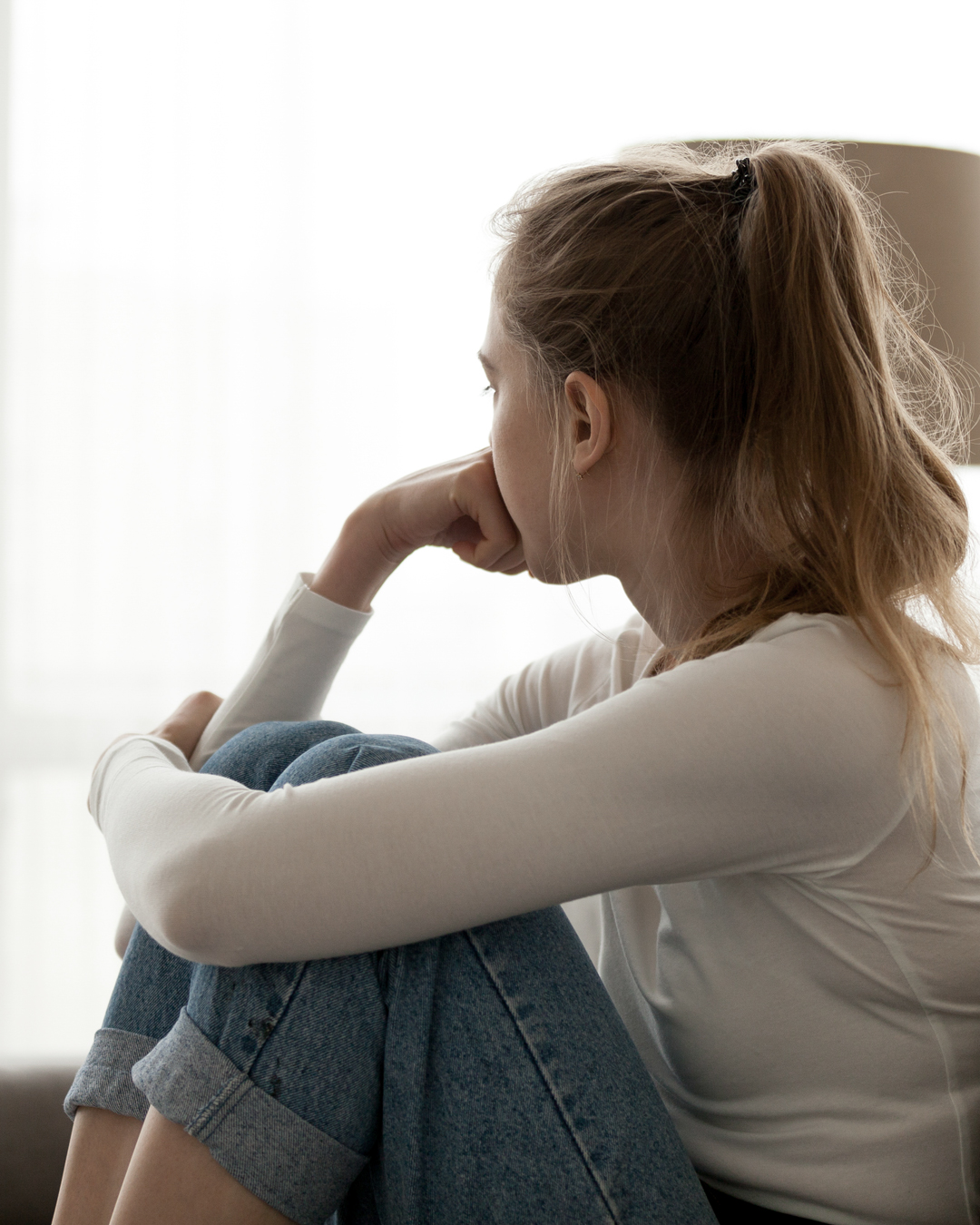
3 Ways To Help Your Teen Cope with the PandemicBy Julyanna Trickey This pandemic sucks, we all know it. But how has it affected our teenagers and their mental health? How well are they coping with not seeing friends regularly, not playing sports and not getting to just live a normal teenage life? Everyone is feeling the stress of this pandemic but it has affected our teens immensely. In a recent survey by the Ontario Centre of Excellence for Child and Youth Mental Health and the CHEO Research Institute of 1,341 young kids, 61 per cent of teenagers have reported a worsening of their mental health since Covid-19 started. We chat with Dr. Mario Cappelli, a clinical psychologist with 25 years’ experience specializing in youth mental health, about our teenagers and how they are coping through Covid-19.This pandemic is hard on everyone but especially for teenagers. How has this pandemic affected teenager mental health overall? Overall, we’ve seen a decrease in the general mental health of teens. I think there is lots of well-documented evidence that Canadian, American and international teenagers are experiencing increases in anxiety, mood problems like sadness and withdrawal, and more recently we are starting to see an increase in more serious illnesses like some of the major eating disorders. I think that, without a doubt, there has been a substantial impact on mental health. But I don’t want to say all kids are equally affected because that isn’t true. And despite the impact on mental health, a lot of kids are able to do a lot of the things they normally do. This is an important statement because it tells us that there is a lot of resiliency amongst our young people. They have still managed to get through the challenges they have had to face and have managed to cope. But there are levels to it. There have been differential effects on young people who had a prior mental illness versus those who were healthy before, so you start to see some differences.Are teenagers who haven’t experienced anxiety, depression, or other mental health problems at risk now? In our own research, we have found that kids with no prior history of mental health concerns have reported increased stress, increased worry about the future, and an overall negative effect on their mental health because of the pandemic. But what they wanted for support wasn’t necessarily seeing a therapist or seeing a psychologist,